Recessed lighting installation can dramatically enhance the aesthetics of any interior space. In recent years, the demand for this lighting style has increased by over 30%, according to industry reports. This trend reflects a growing preference for sleek, modern designs in residential and commercial settings.
When executed properly, recessed lighting transforms the atmosphere, highlighting architectural features and art. However, improper installation can lead to uneven lighting or safety hazards. An estimated 25% of homeowners encounter issues because of insufficient planning or execution. This statistic underscores the importance of following expert guidelines during the installation process.
Understanding the nuances of recessed lighting installation is vital. Factors such as spacing, placement, and bulb selection play crucial roles in creating the desired effect. Many users overlook these details, resulting in a less-than-stunning outcome. By adhering to best practices and consulting professionals, your space can achieve the perfect balance of functionality and beauty.
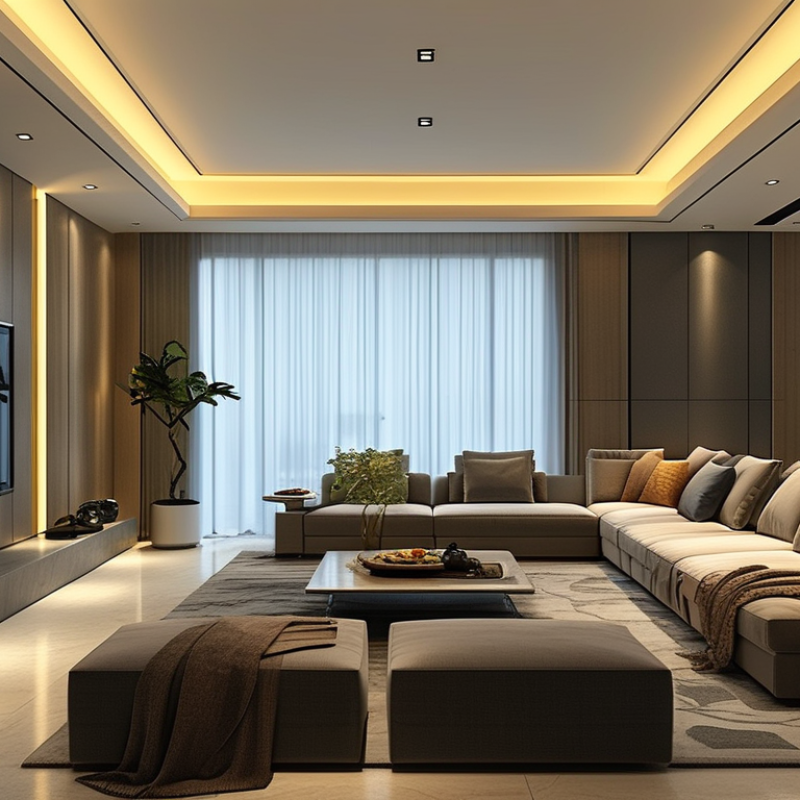
Choosing the Right Recessed Lighting Fixtures for Your Space
Choosing the right recessed lighting fixtures is crucial for enhancing your interior space.
According to a report by the American Institute of Architects, 70% of homeowners consider lighting a vital element in design.
The right fixtures can dramatically improve aesthetics and functionality.
When selecting recessed lighting, consider the size of the room and the height of the ceiling.
For smaller spaces, 4-inch cans may suffice.
In larger areas, opt for 6-inch fixtures to provide adequate illumination.
The color temperature is another important factor.
Warm white (2700K to 3000K) creates a cozy atmosphere, while cool white (3500K to 4100K) offers a clean, modern look.
Tips: Pay attention to the beam angle as well.
A narrow beam (less than 30 degrees) is perfect for focusing light on art or features.
Wider beams (above 30 degrees) are ideal for general lighting.
Don’t forget about dimmable options! They allow flexibility, adapting to different moods or tasks, which can enhance the overall experience.
Be mindful, though. Poor placement of fixtures can lead to shadows or overly bright spots, detracting from the intended effect.
Planning the Layout for Optimal Light Distribution
When planning the layout for recessed lighting, consider how it affects
light distribution. Studies indicate that proper lighting can enhance mood and productivity.
A well-lit space can make a room feel larger and more inviting. In fact,
the American Society of Interior Designers found that
appropriate lighting is crucial for 70% of interior design outcomes.
To start, place recessed lights in areas where tasks occur. This ensures
functionality. However, avoid placing them too close to walls, as this creates shadows.
A gap of one to two feet between the fixture and wall is often recommended.
Additionally, consider the ceiling height. Higher ceilings may require
stronger bulbs or more fixtures to achieve the same effect.
Remember to create a balance between ambient,
task, and accent lighting.
Too much focus on one type can lead to a harsh or uninviting atmosphere.
For example, in a kitchen, combining bright task lighting with warmer ambient light can make it feel more welcoming.
Be mindful of light temperature too; cooler tones are great for workspaces,
while warmer tones are more suitable for relaxation areas.
Keep testing and adjusting your layout until it suits your preferences.
Don't hesitate to reassess fixtures if the results are not as desired.
Installing Recessed Lights: Step-by-Step Guide
Installing recessed lights can transform any room, enhancing aesthetics and functionality. According to a report from the American Lighting Association, well-placed recessed lighting increases a room's brightness by up to 75%. This makes it a popular choice for both residential and commercial spaces. To ensure a successful installation, careful planning is crucial.
Begin by determining the layout of the lights. Spacing is key. A general rule is to place lights between 4 to 6 feet apart. This avoids hot spots or dark zones. Make sure to consider the height of the ceiling and the purpose of each area. In kitchens, for instance, closer spacing ensures better task lighting.
As you install, be mindful of potential issues. Inadequate spacing can lead to glare, while over-lighting may wash out your space. Choosing the right trim can also affect the ambiance. Opt for baffles to reduce glare or reflectors for more focused beams. Despite thorough planning, there may be miscalculations. Be prepared for trial and error.
Take time to adjust fixtures until achieving the desired effect.
Wiring and Electrical Considerations for Safe Installation
When considering recessed lighting installation, electrical safety is paramount. Before beginning, evaluate your home’s wiring system. Older homes may need upgrades to accommodate modern lighting fixtures. Ensure that circuit breakers are compatible and in good condition. A thorough inspection prevents hazards that could arise later.
Pay attention to wire gauge. Thicker wires can handle more current, reducing the risk of overheating. Use the right type of wire for your specific installation requirements. It’s easier than it seems, but mistakes can happen if you’re not careful. Additionally, ensure that all connections are secured tightly. Loose connections can lead to flickering lights and potential fire risks.
Installing a dimmer switch adds flexibility but requires careful wiring. Not all switches work with LED fixtures. This is a common mistake that can lead to frustration. Always double-check compatibility before finalizing your installation. Finally, if you feel uncertain during the process, seek advice from a professional. Their expertise can save you time and ensure safety.
Recessed Lighting Installation Tips: Voltage Requirements and Safety Measures
Finishing Touches: Trimming and Aiming Your Recessed Lights
Trimming and aiming your recessed lights can significantly enhance your interior's aesthetic. It’s not just about installation; it’s about precision. A well-placed recessed light can create ambient warmth or highlight specific features in your room. Consider the layout of your space. Each fixture should complement the area it illuminates.
Aim your lights to focus on artwork or architectural elements. This draws attention to those places, adding depth to the room. Experiment with angles. Sometimes, a slight adjustment can change the entire mood. Pay attention to shadows; they can be just as important as the light itself. Mistakes happen. You might realize later that a light is too harsh or too dim.
Trimming your recessed lights can also make a visual difference. Use trim styles that match your interior design. Sleek, minimal trims can provide a modern look, while ornate styles can add character. Don't rush the process. Take the time to step back and evaluate your lighting. Trust your instincts, and don’t be afraid to try different configurations. This method ensures that your home expresses your unique style.
FAQS
: Proper lighting enhances mood and productivity, making a room feel larger and more inviting.
A gap of one to two feet is ideal to avoid shadows.
Lights should generally be spaced 4 to 6 feet apart to prevent dark zones.
Higher ceilings may need stronger bulbs or more fixtures for sufficient illumination.
Combine ambient, task, and accent lighting to avoid a harsh atmosphere.
Not checking if the switch is compatible with LED fixtures can cause issues.
Older wiring might need upgrades to safely accommodate modern fixtures.
Loose connections may lead to flickering lights and fire risks.
Seeking advice from a professional can prevent mistakes and ensure safety.
Consider the fixture's trim type and spacing adjustments for better lighting control.
Conclusion
Recessed Lighting Installation can dramatically enhance the beauty and functionality of any interior space. The first step involves choosing the right fixtures that complement your decor while providing adequate illumination. Following this, careful planning of the layout is crucial for achieving optimal light distribution throughout the room.
Once the planning is complete, a step-by-step guide can assist in the actual installation process. It's essential to consider wiring and electrical factors to ensure a safe and effective setup. Finally, adding finishing touches such as trimming and properly aiming the recessed lights will ensure that the lighting not only serves its purpose but also elevates the overall aesthetic of the environment.

 Cool Light