How to Match Lighting Brightness to Any Room?

Time:2026-09-27 Author:Madeline
0%

How to Match Lighting Brightness begins with the room’s purpose, not a bulb’s wattage. A kitchen island needs clear, even light for chopping; a bedroom usually feels better with softer illumination near the bed. Brightness is measured in lumens, while color temperature affects whether that light appears warm or cool. Both matter. A high-lumen lamp can still feel harsh when aimed at a glossy countertop or bare wall.

Lighting designer Ingo Maurer is often credited with the observation, “I am not interested in light, I am interested in the shadow.” That idea is useful here: brightness is not only about adding more light, but also about where it falls and what remains dim. Start by noticing dark corners, glare on screens, and shadows across work surfaces. Then compare the room’s size, ceiling height, wall colors, and existing fixtures before choosing a brighter or softer source. Small changes count.

There is no perfect formula for every home. A dimmer may help a living room shift from reading to conversation, while a hallway may need steady, comfortable visibility. Check the manufacturer’s lumen information, and test a lamp at the time of day you actually use the room. One bulb may surprise you. And if the first choice feels wrong, adjust it; lighting plans are useful, but real rooms can be stubborn.
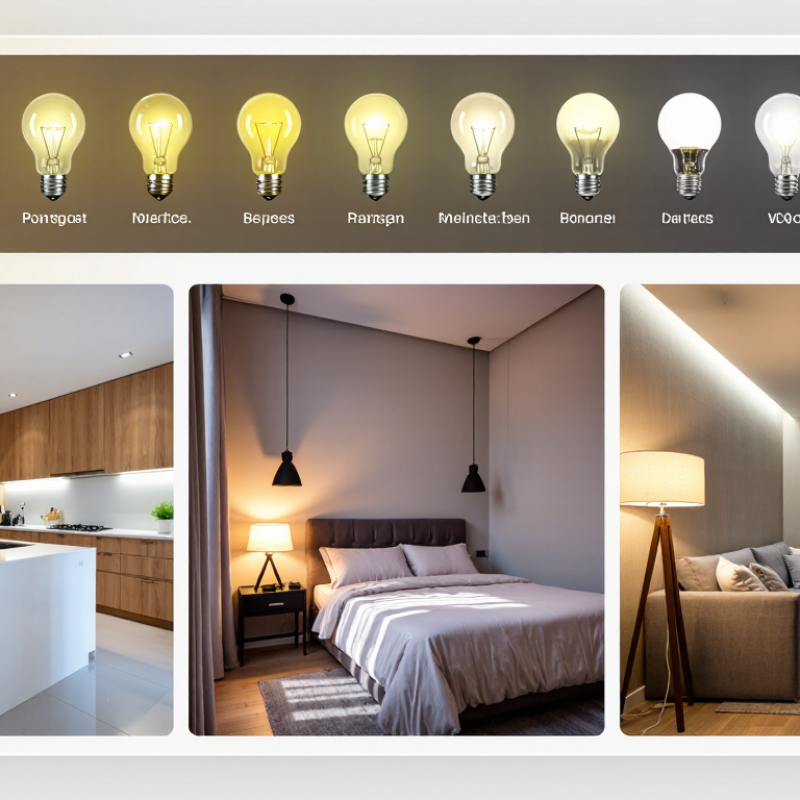
How to Match Lighting Brightness to Any Room?

Measure Room Area and Define the Lighting Tasks

Measure the room before choosing a light. Multiply its length by its width to estimate floor area; a 12-by-14-foot room covers 168 square feet. Treat that number as a starting point, not a verdict. Ceiling height, dark wall colors, and a large rug can change how bright the space feels.

Then name the tasks the room must support. In a kitchen, chopping vegetables needs clear light on the counter, while softer light may suit dinner. A desk needs illumination on paperwork without glare on a screen. In a bedroom, reading beside the bed calls for focused light; moving safely at night needs broader, gentler coverage. Small details matter.

Think in lumens, which describe light output, and compare the combined output of all fixtures with the room’s area and purpose. A single bright ceiling fixture can still leave shadows under cabinets or beside a sofa. I’ve found that this is easy to overlook on paper. Check the room at the times you use it, with daylight and curtains as they normally are. Dimmable controls can help when one setting feels too harsh, though they cannot fix a poorly placed fixture.

How to Match Lighting Brightness to Any Room? — Measure Room Area and Define the Lighting Tasks

Room and Example Task Example Room Area Suggested General Lighting Approx. General Light on Room Area Suggested Task Lighting Lighting Approach
Living room
Relaxing and conversation
18 m² 100–150 lux 1,800–2,700 lm 300–500 lux for reading Use comfortable general lighting, then add a focused reading light beside the chair.
Kitchen
Food preparation and cooking
12 m² 200–300 lux 2,400–3,600 lm About 500 lux on worktops Combine ceiling lighting with task lights positioned to illuminate counters without casting shadows.
Bedroom
Getting dressed and bedside reading
14 m² 100–150 lux 1,400–2,100 lm 300–500 lux for reading Keep general light moderate and use adjustable bedside lighting for reading.
Home office
Reading and computer work
10 m² 300–500 lux 3,000–5,000 lm About 500 lux on the desk Aim for even room lighting and add a desk light if the work surface needs more illumination.
Bathroom
General use and grooming
6 m² 200–300 lux 1,200–1,800 lm About 500 lux at the mirror Use suitable bathroom-rated fixtures and balanced mirror lighting to reduce facial shadows.
Hallway
Walking and finding the way
5 m² 50–100 lux 250–500 lm Usually not needed Provide consistent light along the route, avoiding dark gaps and glare.

How to use the estimates: Lux describes light reaching a surface; lumens describe light output. The approximate general-light figures are calculated as room area (m²) × target illuminance (lux). They are a starting estimate for light reaching the room, not a guaranteed fixture-output requirement. Ceiling height, wall colors, shades, fixture efficiency, and layout affect the result. Task-lighting levels apply to the specific work surface, not the entire room.

Set Target Illuminance: EN 12464-1 Specifies 500 lx for Office Work

For office reading, writing, typing, and data processing, EN 12464-1:2021 sets a maintained illuminance target of 500 lux on the task area. Lux measures light falling on a surface, not a lamp’s brightness rating. That distinction matters: a bright ceiling fixture can still leave paperwork dim.

The standard also gives a 300-lux benchmark for the immediate surrounding area, helping reduce abrupt contrast between a desk and its surroundings. Its office criteria include a UGR glare limit of 19 and uniformity of 0.6. The CIE 117:1995 technical report describes the Unified Glare Rating method used to assess discomfort glare. Small changes matter. A glossy monitor, pale desktop, or poorly placed task light can change how bright a room feels, even when a meter reads 500 lux.

Treat 500 lux as a design target, not a guarantee of comfort. Measure at desk height, with lights operating and daylight conditions noted. Then check the screen and paper from the seated position. Not always. Older occupants or detailed tasks may need adjustable local lighting, while excessive brightness can create reflections. One imperfect habit is judging a room from its ceiling alone; the work surface tells the more useful story.

Check Circulation Areas: EN 12464-1 Specifies 100 lx for Corridors

Lighting should guide people without making a corridor feel like a tunnel. EN 12464-1 specifies 100 lx for corridors and circulation areas. This level supports safe movement and clear recognition of doors, steps, and signs. It also creates a useful reference when matching brightness between connected rooms.

In practical inspections, readings can change across one hallway. Dark flooring absorbs light, while glossy walls can create uncomfortable reflections.

Dark floor finishes absorb light.
Glossy walls create glare.

Place a calibrated lux meter at walking height or the relevant working plane. Take readings at several points, including corners and near doorways. Compare the average and the lowest reading, not only the brightest patch. A corridor may average 100 lx yet still contain unsafe shadows.

Adjacent rooms should not feel dramatically brighter or darker than the circulation route. A bright lobby beside a dim corridor can strain the eyes during transition. I have found that gradual changes often feel more comfortable than simply increasing lamp output. Over-lighting is not automatically safer. Excess brightness may cause glare, waste energy, and hide surface changes.

Recheck the space after furniture moves or wall finishes change. These details are easy to overlook. The 100 lx figure should be checked against the current standard, project brief, and applicable local requirements.

Estimate Delivered Lumens: Target Lux × Lit Area (m²)

Matching brightness begins with a measurable target, not a guess. Lux describes light reaching each square metre. A reading desk may need more light than a quiet hallway. To estimate delivered lumens, multiply target lux by the lit area in square metres. A 12 m² room targeted at 200 lux needs about 2,400 delivered lumens. Delivered matters. Rated lumens may not reach the floor after shades, lenses, and distance reduce output.

Measure the usable floor area, then consider ceiling height, wall colour, and furniture. Dark surfaces absorb more light, while pale walls reflect it. If fixtures lose roughly 20 percent through optics and placement, plan for approximately 3,000 rated lumens to deliver 2,400 lumens. This is an estimate, not a laboratory result. Several evenly spaced fixtures often create better comfort than one powerful centre light.

Use a lux meter. Test after dark. Place it at desk or floor height, where light is needed. Readings can change near windows, glossy tables, or tall cabinets. I have found that calculations sometimes feel precise but still miss personal comfort. Older eyes may prefer stronger task lighting, while excessive brightness can create glare and fatigue. Adjust fixture position, diffusion, or dimming after living with the room for a few evenings. The formula remains useful, but the room’s real surfaces and daily habits deserve the final decision.

How to Match Lighting Brightness to Any Room?

Estimated delivered lumens = target lux × lit area (m²)

The chart uses typical indoor illuminance targets: bedrooms and bathrooms require softer light, living rooms need moderate brightness, kitchens need stronger task lighting, and home offices generally require the highest illuminance for reading and screen-based work.

Layer Ambient, Task, and Accent Lighting; Compare Output in Lumens, Not Watts

Matching brightness starts with lumens, not watts. Watts measure energy use, while lumens show visible light output. A small reading corner may need 450 to 800 lumens for comfortable task lighting. A larger living room often needs several thousand lumens, spread across multiple fixtures.

Layer the room instead of relying on one bright ceiling light. Ambient lighting creates general visibility across walls and floors. Task lighting should illuminate a desk, kitchen counter, or book without casting hand shadows. Accent lighting adds focus to artwork, shelves, or textured surfaces. Keep accent output lower than task output. Otherwise, the room can feel visually noisy. Warm, dimmable light often suits bedrooms, but kitchens may need clearer illumination.

I once judged a lamp by its wattage and chose poorly. The fixture consumed little power but left my desk gloomy. Now I compare total lumens and test the light after sunset. Dark walls absorb more light, while pale surfaces reflect it. Ceiling height matters too. Use a dimmer when possible, because calculated brightness may feel excessive in real life. Glare is another warning sign. If a bare bulb makes you squint, brightness is not the real success. Move the source, add a shade, or reduce its output. A light meter can help, but your eyes still provide useful evidence.

FAQS

What illuminance level is recommended for office reading and writing?

The target is 500 lux on the actual desk surface. Lux measures light reaching the surface, not lamp brightness. A bright ceiling may still leave paperwork dim.

Should the whole office have 500 lux?

No. The immediate surrounding area has a 300-lux benchmark. This reduces sharp contrast between the desk and nearby space.

Where should office lighting be measured?

Measure at desk height, with the lights operating. Record the daylight conditions. Check paper and the screen from the seated position.

Can 500 lux still feel uncomfortable?

Yes. A glossy monitor can reflect bright spots. Pale desks may feel brighter than expected. Excessive local lighting can also cause glare.

What glare and uniformity values apply to office work?

Office criteria include a UGR glare limit of 19 and uniformity of 0.6. These values support visual comfort, but measurements alone cannot describe every user’s experience.

What illuminance level is recommended for corridors?

Corridors and circulation areas use a 100-lux benchmark. It supports recognition of doors, steps, signs, and surface changes.

How should corridor lighting be checked?

Take readings at several points, including corners and doorways. Compare the average with the lowest reading. A bright patch does not prove safe coverage.

Should corridor brightness match nearby rooms?

Connected spaces should avoid dramatic brightness changes. A bright lobby beside a dim corridor can strain the eyes. Gradual transitions often feel better.

Can floor and wall finishes affect lighting results?

Yes. Dark flooring absorbs light, while glossy walls may create reflections. Recheck the area after furniture or finishes change. I sometimes overlook these details.

Conclusion

How to Match Lighting Brightness begins with understanding how a room will be used. Measure the floor area, identify key lighting tasks, and set a suitable illuminance target for each space. For example, EN 12464-1 recommends approximately 500 lux for office work, while circulation areas such as corridors generally require around 100 lux. These values provide a practical starting point for planning comfortable and functional lighting.

To estimate the required light output, multiply the target lux by the lit area in square meters to calculate the approximate delivered lumens. Then combine ambient lighting for general visibility with task lighting for focused activities and accent lighting for visual emphasis. When comparing lighting options, focus on lumens rather than watts, since lumens indicate the amount of light produced while watts primarily describe energy consumption. This approach helps create balanced, efficient lighting for almost any room.

Madeline

Madeline

Madeline is a dedicated marketing professional with a wealth of expertise in our company's core offerings. With a keen understanding of the industry, she brings a unique perspective to her role, consistently delivering high-quality content that highlights the superior aspects of our products. As......