Energy Efficient Lighting is crucial in today’s world, where energy consumption directly impacts both costs and the environment. According to the International Energy Agency (IEA), lighting accounts for about 15% of global electricity usage. This statistic underscores the importance of adopting energy-efficient solutions in homes and businesses alike. The rise of LED technology has drastically changed this landscape, with LEDs using up to 75% less energy than traditional incandescent bulbs.
As the market shifts, buyers must consider various factors, including cost-effectiveness and environmental impact. A report from the U.S. Department of Energy suggests that widespread use of energy-efficient lighting could save more than $12 billion in energy costs annually by 2030. However, not all energy-efficient options are created equal. It is essential to research products thoroughly and ensure they meet sustainability standards.
The transition to Energy Efficient Lighting is not without its challenges. Some consumers express concerns about initial costs or the quality of light produced. Evaluating the trade-offs between upfront costs and long-term savings is vital for global buyers. In a rapidly evolving market, staying informed is key to making sound choices that align with both economic and environmental goals.
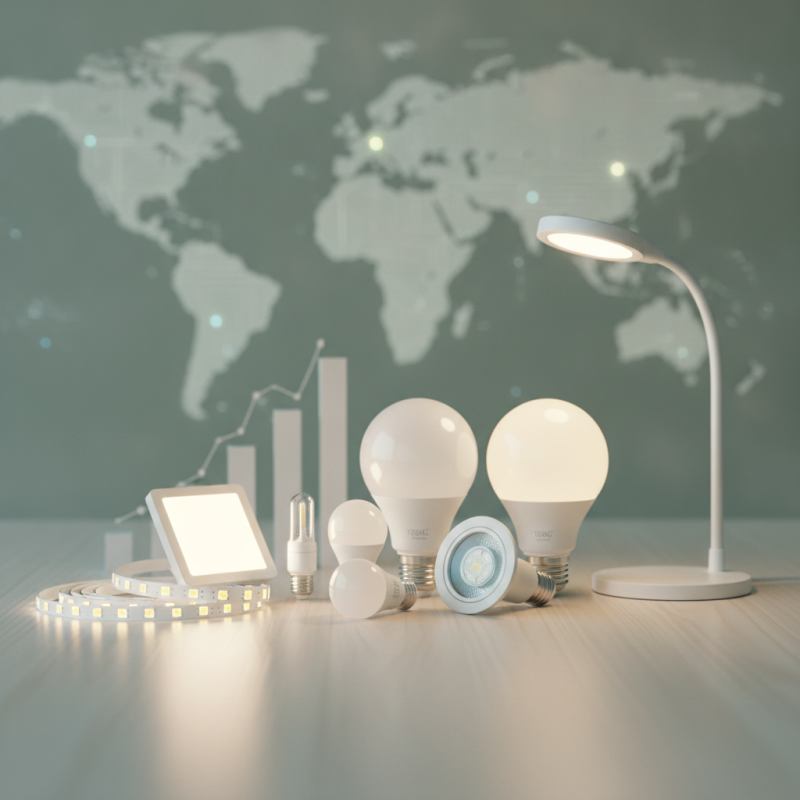
In the quest for energy-efficient lighting solutions, buyers must consider various options.
LED bulbs stand out due to their long lifespan and low energy consumption. They use at least 75% less energy than traditional bulbs. This means considerable savings on electricity bills.
However, not all LEDs are created equal. Some may dim over time or fail to deliver consistent brightness. Researching product reviews can help identify reliable options. Another effective solution is compact fluorescent lamps (CFLs). These are more efficient than incandescent bulbs and last up to ten times longer.
It's essential to analyze where these lights will be used. For instance, task lighting requires different solutions than ambient lighting. The placement and lumens of each bulb matter significantly. Sometimes, buyers discover that the most energy-efficient option isn’t always the best for their specific needs.
Adjusting plans based on real-life feedback can lead to better outcomes.
Energy-efficient lighting technologies are transforming how we illuminate our spaces. LED bulbs are a popular choice. They consume significantly less energy compared to traditional incandescent bulbs. This reduction translates to lower electricity bills and a smaller carbon footprint. Adopting LEDs can save up to 80% in energy consumption. Their long lifespan is another advantage, often lasting up to 25,000 hours.
Another innovative technology is the use of smart lighting systems. These systems allow users to control brightness and color temperature via apps. Smart sensors can adjust lighting based on occupancy, ensuring lights don’t stay on in empty rooms. While smart lighting is convenient, it requires a reliable internet connection and can pose challenges in setup and compatibility.
Additionally, compact fluorescent lamps (CFLs) offer an energy-efficient alternative. They use about 70% less energy than incandescent bulbs and last much longer. However, they contain small amounts of mercury, which can be hazardous if broken. Understanding the pros and cons of each technology is essential for making informed choices. Evaluating needs and considering the environment will help users make the best selections for their lighting solutions.
When considering energy-efficient lighting, LED, CFL, and halogen bulbs each offer distinct advantages. LED bulbs, known for their longevity, can last up to 25,000 hours. They consume 75% less energy than traditional incandescent lights. This makes them an appealing choice for many buyers. However, the initial cost can be a barrier.
CFL bulbs are another option, providing good efficiency. They use about 70% less energy than incandescent bulbs. Their lifespan reaches around 10,000 hours. While they are affordable, some people may be concerned about their warm-up time. This can make them less appealing for immediate use.
Halogen bulbs, on the other hand, have a shorter lifespan, averaging around 2,000 hours. They produce bright light and have a high color rendering index. However, the energy consumption is higher compared to LEDs and CFLs. Some users find that the heat they emit can be a drawback in small spaces. Choosing the right bulb involves weighing these factors. Each option has strengths and weaknesses, often leading to reflections on personal preferences and usage scenarios.
| Lighting Type | Lifespan (Hours) | Energy Consumption (W) | Brightness (Lumens) | Environment Impact |
|---|---|---|---|---|
| LED | 25,000 - 50,000 | 8 - 15 | 800 - 1600 | Low (contains no mercury) |
| CFL | 7,000 - 15,000 | 13 - 15 | 800 - 900 | Moderate (contains a small amount of mercury) |
| Halogen | 2,000 - 4,000 | 40 - 120 | 600 - 1,200 | High (produces more heat, less efficient) |
Energy efficiency has become a crucial consideration for businesses worldwide. The shift towards LED lighting offers substantial energy savings and cost-effectiveness. Recent studies indicate that LEDs can reduce energy consumption by up to 75% compared to traditional incandescent bulbs. This statistic is impressive but prompts questions about the initial investment versus long-term savings.
Understanding the financial implications of switching to LED technology is essential. While the upfront costs might be higher, the longevity and efficiency of LEDs produce significant savings over time. Many organizations notice reductions in their electricity bills. However, potential buyers must consider installation expenses and the gradual adoption process.
Adopting LEDs isn’t only about savings; it’s a step towards sustainability. Energy-efficient lighting also enhances workplace productivity and well-being. Research indicates well-lit environments increase focus and morale. Yet, not all LEDs are created equal. Some may produce harsh lighting or fail to last, highlighting the need for informed purchasing decisions. Making thoughtful choices in lighting can lead to both economic and environmental benefits.
Regulatory standards are crucial for promoting energy-efficient lighting. In recent years, various countries have adopted regulations to improve energy efficiency in this sector. The International Energy Agency (IEA) reported that switching to LED lighting alone could save over 1,800 terawatt-hours of electricity annually by 2030. This is significant. Standardizing energy efficiency practices helps countries achieve sustainability goals.
Incentives play a vital role in encouraging the adoption of energy-efficient technologies. Governments often offer rebates, tax credits, and grants to stimulate investment. In the U.S. alone, energy-efficient lighting projects can qualify for tax deductions, allowing businesses to offset their costs. Reports indicate that these financial incentives can lead to a 20-30% increase in energy-efficient lighting installations.
Despite these efforts, challenges remain. Many consumers still overlook energy-efficient options due to upfront costs. Additionally, inconsistent regulations across regions can confuse buyers. Industry stakeholders must address these issues to promote widespread adoption. Increased awareness and transparent information about the benefits of energy-efficient lighting can lead to better decision-making. Reducing energy consumption is not just about compliance; it’s about creating a sustainable future.
Energy-efficient lighting is undergoing significant changes. Innovations in technology are making lighting solutions not only more sustainable but also smarter. LED technology continues to dominate the market. This is evident in residential, commercial, and industrial applications. These lights reduce energy consumption while providing better illumination. They last much longer than traditional bulbs.
Smart lighting systems are emerging as a prominent trend. These systems allow users to control lighting via apps or voice commands. Sensors help in automatically adjusting brightness based on occupancy. This functionality saves energy and enhances convenience. However, it raises questions about data privacy and user control. Consumers need to be aware of these potential issues.
Another trend is the integration of natural light. Designers are focusing on using windows and skylights to reduce reliance on artificial lighting. This approach connects occupants to the outdoors, improving well-being. Yet, it can lead to over-reliance on sunlight, which may not always be sufficient. Striking a balance between natural and artificial light is essential for achieving true efficiency.
: LED bulbs can last up to 25,000 hours, making them very durable.
CFL bulbs use about 70% less energy than traditional incandescent bulbs.
Yes, some users worry about the warm-up time of CFL bulbs for immediate use.
Halogen bulbs last around 2,000 hours, which is much shorter than LEDs and CFLs.
LEDs can reduce energy consumption by up to 75%, leading to substantial long-term savings.
Yes, the initial cost of LEDs can be higher, but savings accumulate over time.
Good lighting can increase focus and morale, promoting a better work environment.
No, some LED bulbs may produce harsh light and may not last as expected.
Weigh energy efficiency, lifespan, initial costs, and lighting quality in your decision.
Yes, adopting LEDs contributes to sustainability and reduces energy consumption.
The article "Top Energy Efficient Lighting Solutions for Global Buyers" provides a comprehensive overview of innovative lighting technologies that emphasize energy efficiency. It begins with a discussion of various energy-efficient lighting solutions, primarily focusing on LED, CFL, and halogen lighting, illuminating their comparative advantages in terms of energy consumption and longevity. The analysis highlights industry statistics that demonstrate significant energy savings and cost-effectiveness associated with LED lighting, making it a preferred choice among global buyers.
Furthermore, the article outlines regulatory standards and incentives that encourage the adoption of energy-efficient lighting solutions. Future trends indicate a growing shift towards smarter lighting technologies and sustainable practices, aligning with the global movement towards energy conservation. Overall, the content underscores the importance of energy efficient lighting in reducing environmental impact while providing economic benefits for consumers and industries alike.
Cool Light