In today’s fast-paced commercial environment, effective lighting is crucial for enhancing productivity and well-being. Commercial Space Illumination can significantly impact employee performance. Studies show that optimal lighting increases focus and reduces fatigue. According to the Lighting Research Center, well-designed lighting can boost productivity by up to 20%.
The importance of proper illumination extends beyond aesthetics. It influences mood and safety in workplaces. Poor lighting can lead to accidents and decreased morale. Data from the International Energy Agency suggests that about 70% of energy used in commercial buildings is for lighting. This highlights the need for energy-efficient solutions that do not compromise on quality.
While many businesses adopt modern lighting solutions, challenges remain. Not all establishments achieve the ideal balance of brightness and energy efficiency. Reflection and adjustments are often necessary. By understanding these complexities, companies can create inviting environments that meet both functional and decorative needs. Implementing effective Commercial Space Illumination strategies is essential for sustaining a competitive edge in today’s market.
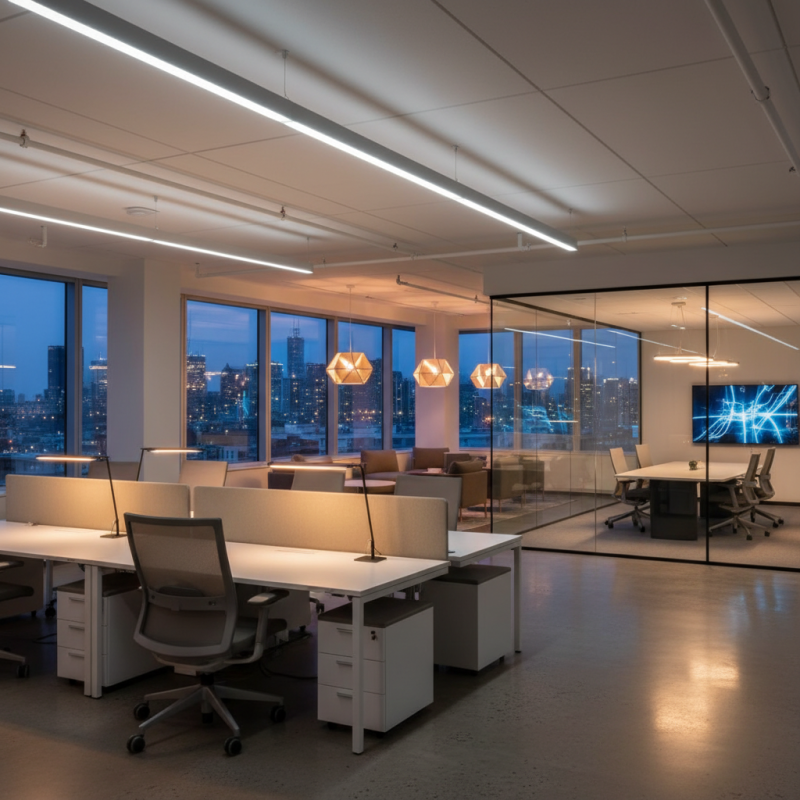
Proper commercial lighting is crucial for various reasons. It enhances productivity by reducing eye strain. Employees work better when they can clearly see their tasks. The right lighting creates a comfortable atmosphere. Additionally, this can influence the mood and efficiency of staff. A well-lit environment boosts morale and creativity.
On the flip side, poor lighting leads to serious drawbacks. Dim lights can create confusion. Overly bright lighting may cause discomfort. These scenarios often go unnoticed, leading to inefficiencies. Business owners should assess their spaces regularly. Understanding how light impacts behavior is essential. Make lighting adjustments based on employee feedback.
Choosing the right lighting is not just about brightness. It involves understanding color temperature and fixture placement. Consistency in lighting enhances aesthetics and functionality. Experimenting with different setups can uncover what works best. However, it's crucial to avoid overspending on fixtures that do not deliver. Reflection on past choices can guide better decisions in the future.
This chart illustrates the energy efficiency of various commercial lighting solutions, measured in kilowatt-hours (kWh) per year. Understanding these options can help businesses make informed decisions about their lighting strategies to optimize performance and reduce energy costs.
Lighting design for commercial spaces is crucial for enhancing functionality and aesthetics. Key factors play vital roles in achieving effective illumination. Understanding these can improve both employee productivity and customer satisfaction.
Light intensity is one of the most significant aspects. According to a report by the International Energy Agency, proper light levels can increase productivity by up to 20%. This suggests that inadequate lighting can hinder performance. Additionally, color temperature influences mood and perception. Studies show that cooler light promotes alertness, while warmer tones create a welcoming atmosphere.
Another important factor is energy efficiency. The U.S. Department of Energy highlights that LED lighting can reduce energy costs by 75% compared to traditional systems. However, not all commercial spaces utilize efficient lighting solutions. This can lead to higher operational costs and a larger environmental footprint.
Finally, consider the layout of the space. Lighting should complement the physical arrangement and function of the area. Poorly designed lighting may leave some areas under-illuminated, impacting safety and usability. It's essential to regularly assess lighting effectiveness and adapt to feedback from users.
When illuminating commercial spaces, choosing the right lighting solution is crucial. There are several types to consider, each serving a unique purpose.
Ambient lighting provides general illumination and sets the mood. In open offices, it's vital for employee comfort and productivity.
Research indicates that well-lit work environments can boost productivity by up to 20%.
Task lighting is essential for areas where detailed work occurs. Examples include desks and assembly lines. Focused light helps reduce eye strain and improves accuracy.
According to reports, employees working under adequate task lighting complete tasks 10% faster. Accent lighting adds dimension and highlights features, enhancing aesthetics. Retail environments often benefit from this to attract customer attention.
The integration of energy-efficient solutions, like LED technology, remains significant. Not only do they lower energy costs, but they also reduce environmental impact. An estimated
75% of businesses that adopt LED lighting report lower energy bills. However, it’s important to address potential maintenance issues.
Regular assessments help ensure that lighting solutions remain effective over time. Failure to do so may lead to disruptions and diminished benefits.
Effective commercial space illumination is crucial for enhancing productivity and safety. According to the U.S. Department of Energy, lighting accounts for nearly 30% of total energy use in commercial buildings. Transitioning to energy-efficient systems can lead to significant cost savings and environmental benefits.
To enhance energy efficiency in lighting systems, consider using LED technology. LEDs consume 75% less energy than traditional incandescent bulbs. This switch not only reduces energy bills but also lowers maintenance costs due to their long lifespan. Integrating intelligent lighting controls can further optimize usage. For instance, occupancy sensors can automatically adjust lighting based on the presence of people, minimizing unnecessary energy consumption.
Another tip involves the effective use of natural light. Designing spaces that maximize daylight can reduce reliance on artificial lighting. Skylights and large windows can illuminate spaces without using electricity during daylight hours. However, overreliance on artificial systems can result in inconsistent lighting, affecting atmosphere and productivity. Striving for balance between natural and electric sources is key. Regular assessments of lighting plans ensure they align with both aesthetic goals and energy-saving targets.
Maintaining and upgrading commercial lighting is crucial for a business's operational efficiency. A well-designed lighting system can reduce energy consumption by 40%, according to the U.S. Department of Energy. Regular maintenance prolongs the lifespan of fixtures and ensures optimal performance. It’s essential to inspect systems regularly for signs of wear and tear.
Consider implementing an annual audit of your lighting systems. This process identifies areas for improvement, ensuring compliance with current standards. Upgrading to LED solutions can also cut maintenance costs significantly. LEDs have a lifespan of up to 25,000 hours, greatly reducing replacement frequency.
Some businesses overlook the impact of lighting on employee productivity. Research shows that appropriate lighting can enhance focus and morale. Adjusting light levels based on the space’s function can significantly improve the working environment. Incorporate smart lighting controls to automatically adjust brightness based on occupancy and time of day. These actions not only support sustainability but also promote a productive workplace.
| Tip Category | Description | Frequency | Estimated Cost |
|---|---|---|---|
| Energy Efficiency | Upgrade to LED fixtures to reduce energy consumption and costs. | Every 5-7 years | $10,000 |
| Maintenance | Regularly check and replace old bulbs to maintain optimal brightness. | Quarterly | $500/year |
| Lighting Design | Engage a lighting designer for effective layout and task-specific lighting. | As needed | $5,000 |
| Smart Controls | Implement smart lighting controls for better energy management and automation. | Every 10 years | $15,000 |
| Compliance and Safety | Ensure compliance with local codes and regulations regarding lighting levels. | Annually | $200 |
: Lighting design enhances functionality and aesthetics, improving productivity and customer satisfaction in commercial environments.
Proper light levels can increase productivity by up to 20%. Inadequate lighting can hinder employee performance significantly.
Cooler light promotes alertness, while warmer tones create a welcoming atmosphere. The right balance is essential.
Energy-efficient lighting can cut costs substantially. LED lighting uses 75% less energy than traditional systems.
Regular maintenance is essential. An annual audit can help identify areas needing improvement and extend lighting system lifespan.
LED lights can last up to 25,000 hours, reducing the need for frequent replacements. This also lowers maintenance costs.
Appropriate lighting enhances focus and boosts morale. Adjusting light levels according to the space's function is beneficial.
Poorly designed lighting can lead to under-illuminated areas, affecting safety and usability. Regular assessment is crucial.
Yes, smart lighting adjusts brightness based on occupancy and time of day, supporting sustainability and improving productivity.
Effective commercial space illumination is crucial for creating an inviting and productive environment. Proper lighting not only enhances aesthetic appeal but also influences employee performance and customer satisfaction. Understanding the importance of commercial space illumination leads to better design decisions. Key factors influencing this design include the purpose of the space, the activities performed within it, and the required light levels for safety and functionality.
Various types of lighting solutions, such as ambient, task, and accent lighting, play distinct roles in achieving optimal illumination. To enhance energy efficiency, businesses can implement strategies such as utilizing LED technology, smart lighting controls, and regular maintenance. Maintaining and upgrading commercial lighting systems ensures their longevity and sustained performance, making them a worthwhile investment for any commercial space.

Cool Light