Why Choose LED Lighting Systems for Your Business Needs?

Time:2026-05-13 Author:Aria
0%

In today's competitive market, businesses must make smart choices about their operations. One significant decision involves selecting an appropriate lighting system. Industry expert Dr. Emily Carter, a renowned specialist in energy-efficient solutions, believes, "LED Lighting Systems are transforming how businesses illuminate their spaces." This innovation brings numerous advantages.

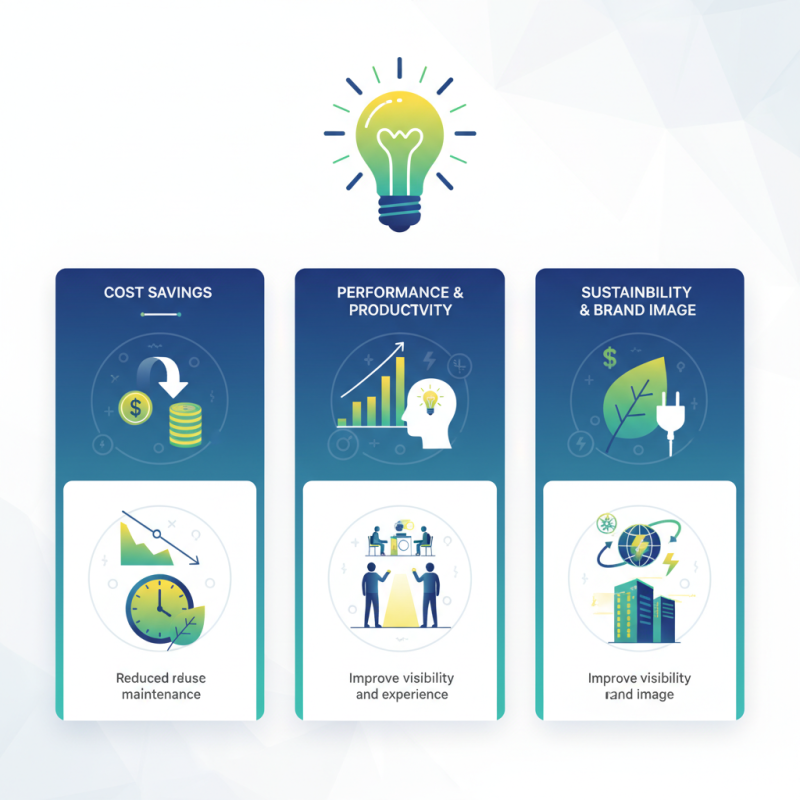
LED Lighting Systems not only enhance visibility but also reduce energy consumption. With their longevity and low maintenance needs, they offer long-term cost savings. However, some companies still hesitate. They worry about initial investment costs. These concerns can overshadow the potential benefits of switching to LED technology.

Properly implemented, LED Lighting Systems improve employee productivity and customer experience. Yet, some businesses may overlook the environmental impact of their choices. Reflecting on these factors can lead to better decisions. Adopting LED technology is more than a trend; it represents a commitment to sustainability and efficiency. This shift can redefine a company's brand image while meeting today's energy demands.
Why Choose LED Lighting Systems for Your Business Needs?

Benefits of LED Lighting Systems for Businesses

LED lighting systems have emerged as a top choice for businesses, thanks to their numerous advantages. According to the U.S. Department of Energy, LED lights use at least 75% less energy than traditional incandescent lighting. This drastic reduction in energy consumption leads to significant cost savings. A report from the Lighting Research Center indicates that businesses can expect to reduce their energy costs by about 30% to 50% when switching to LED systems.

The lifespan of LED lights is another compelling benefit. Typically, these lights last up to 25 times longer than incandescent bulbs. This longevity not only minimizes the frequency of replacements but also decreases maintenance costs over time. For businesses operating on tight budgets, this can have a profound impact.

Tips for choosing LED systems: Look for energy efficiency ratings. These ratings often indicate how much you can save on energy costs. Consider the light quality as well. High-quality LED lights can enhance employee productivity and satisfaction. While LED systems are generally reliable, some may not provide optimal performance in extreme temperatures. It’s crucial to assess where you plan to use them. Proper research can guide you towards making an informed decision.

Energy Efficiency and Cost Savings in LED Lighting

LED lighting systems have become increasingly popular for businesses looking to reduce operational costs and improve energy efficiency. These systems use significantly less energy compared to traditional lighting. By switching to LED, businesses can lower their electricity bills. This is crucial for maintaining a healthy bottom line in today’s competitive market.

Moreover, LED lights have an extended lifespan. They can last up to 25,000 hours or more. This reduces the frequency of replacements, leading to further cost savings. Fewer replacements mean less maintenance and fewer disruptions. However, some may argue that the initial investment in LED systems can be higher. It's essential to consider the long-term savings that come from reduced energy consumption and maintenance costs.

Transitioning to LED lighting can also enhance work environments. Brighter, more efficient lighting can improve productivity and employee satisfaction. Still, businesses must evaluate their unique needs before making the change. Each space is different, and some may require more specialized solutions. Careful planning and assessment can lead to significant benefits over time, making the case for LEDs stronger.

Impact of LED Lighting on Workplace Productivity

LED lighting systems are transforming workplace productivity. Studies show that appropriate lighting can enhance focus and efficiency. In fact, a report from the Pacific Northwest National Laboratory indicates that proper lighting can improve worker productivity by up to 20%. Bright and well-distributed light can reduce eye strain. This is essential for employees who spend long hours at computers.

LEDs offer more than just energy efficiency. They provide a natural light quality that mimics daylight. This can boost mood and energy levels, leading to better performance. A survey by the Lighting Research Center revealed that 75% of employees felt happier in well-lit environments. However, not every workplace utilizes this technology effectively. Some businesses still rely on outdated fluorescent lighting, which can lead to fatigue and decreased motivation.

The impact of color temperature also plays a significant role in productivity. Research shows that cooler light (above 4000 Kelvin) can enhance concentration and alertness. Yet, too much cold light can cause discomfort and anxiety. It’s essential to find a balance that caters to varying tasks and employee preferences. Reflecting on these nuances can lead to a more optimized workplace environment.

Environmental Benefits of Switching to LED Lighting

Switching to LED lighting systems brings significant environmental benefits. LEDs consume less energy than traditional lighting. They convert more electricity into visible light. This efficiency translates into lower energy bills and reduced carbon emissions. Businesses that adopt LED technology help combat climate change.

Moreover, LEDs have a longer lifespan. Traditional bulbs may burn out in a year, while LEDs can last over a decade. This longevity means fewer bulbs in landfills. Fewer replacements also reduce waste and resource consumption in manufacturing new lights. However, transitioning to LED can be expensive initially. Not every business can afford this upfront cost.

It's also essential to consider recycling. Some types of LEDs contain materials requiring proper disposal. Not all facilities have the means to recycle these components. Therefore, businesses must educate themselves and plan for end-of-life management. While the advantages are clear, potential challenges exist. Balancing cost and environmental impact requires careful thought.

Considerations for Choosing the Right LED Solutions

When considering LED lighting systems for business needs, it's crucial to evaluate several factors. The effectiveness of LED lights is backed by various studies. According to the U.S. Department of Energy, LED lighting can save businesses up to 75% on energy costs compared to traditional incandescent bulbs. This statistic is compelling, but businesses must also consider their specific lighting requirements.

Color temperature is another critical aspect. A study published by the Lighting Research Center highlights how different color temperatures can influence productivity and mood. For example, cooler light (5000K) is known to enhance alertness, while warmer light (3000K) creates a more relaxed atmosphere. Choosing the right color temperature can significantly impact employee performance.

Furthermore, businesses must assess the installation and long-term maintenance of LED systems. While LEDs have a longer lifespan, averaging around 25,000 hours, improper installation can lead to early failures. Regular maintenance checks are necessary to ensure optimal performance. These considerations, while seemingly simple, often require careful planning and evaluation.

FAQS

: What are the main benefits of LED lighting systems for businesses?

: LED lighting uses 75% less energy than traditional bulbs, leading to significant cost savings.

How much can businesses save on energy costs by switching to LEDs?

Businesses can save about 30% to 50% on energy costs with LED systems.

How long do LED lights typically last compared to incandescent bulbs?

LED lights can last up to 25 times longer than incandescent bulbs, reducing replacement frequency.

What should businesses consider when choosing LED systems?

Look for energy efficiency ratings and assess the light quality to enhance employee satisfaction.

Do LED systems perform well in extreme temperatures?

Some LED lights may struggle in extreme temperatures, requiring careful assessment of intended use.

What are the environmental benefits of using LED lighting?

LEDs reduce energy consumption, lowering carbon emissions and lessening landfill waste due to longer lifespans.

Are there any initial costs associated with switching to LED lighting?

Yes, transitioning to LED can be expensive upfront, which may challenge some businesses financially.

Why is recycling important for LED lighting?

Some LEDs contain materials that require proper disposal, and not all facilities can recycle these components.

What challenges might businesses face when switching to LED lighting?

Balancing initial costs with environmental impact is a significant concern for many businesses.

How can businesses prepare for the end-of-life management of LEDs?

Educate yourself on recycling options and plan for the proper disposal of used LED components.

Conclusion

LED Lighting Systems offer numerous advantages for businesses seeking to enhance their operational efficiency and sustainability. One of the primary benefits is their energy efficiency, which significantly reduces energy costs and contributes to a more sustainable bottom line. Additionally, LED lighting has been shown to positively impact workplace productivity by providing better quality light that reduces eye strain and improves focus among employees.

Moreover, switching to LED Lighting Systems also brings noticeable environmental benefits. By consuming less power and having a longer lifespan compared to traditional lighting, these systems reduce overall carbon footprints. When selecting the right LED solutions, businesses should consider factors such as lighting quality, energy savings, and the specific needs of their work environment. In conclusion, LED Lighting Systems present a smart choice for businesses aiming for cost efficiency and improved workplace conditions.

Aria

Aria

Aria is a dedicated marketing professional with a deep passion for innovative strategies and a keen understanding of our company's product offerings. With a wealth of experience in the industry, Aria excels at crafting engaging content that highlights the unique features and benefits of our......