Best Office Lighting Solutions for Productivity and Comfort?

Time:2026-05-19 Author:Aria
0%

Effective office lighting is essential for enhancing productivity and comfort. According to lighting expert Dr. Emily Carter, “The right office lighting solutions can transform a workspace into a hub of creativity.” In today's fast-paced work environment, it is crucial to invest in appropriate lighting solutions that cater to the needs of employees.

Poor lighting can lead to fatigue and decreased focus. A well-lit office can significantly boost morale and output. Specific solutions, such as adjustable LED fixtures and natural light integration, can help create an inviting atmosphere. However, not all offices employ these strategies effectively. The challenge often lies in balancing aesthetics with functionality.

Additionally, many companies overlook individual employee preferences. Lighting should cater to diverse tasks and work styles. Considering these factors leads to a more inclusive environment. Thoughtful office lighting solutions can encourage collaboration and innovation, making a noticeable difference in overall productivity.
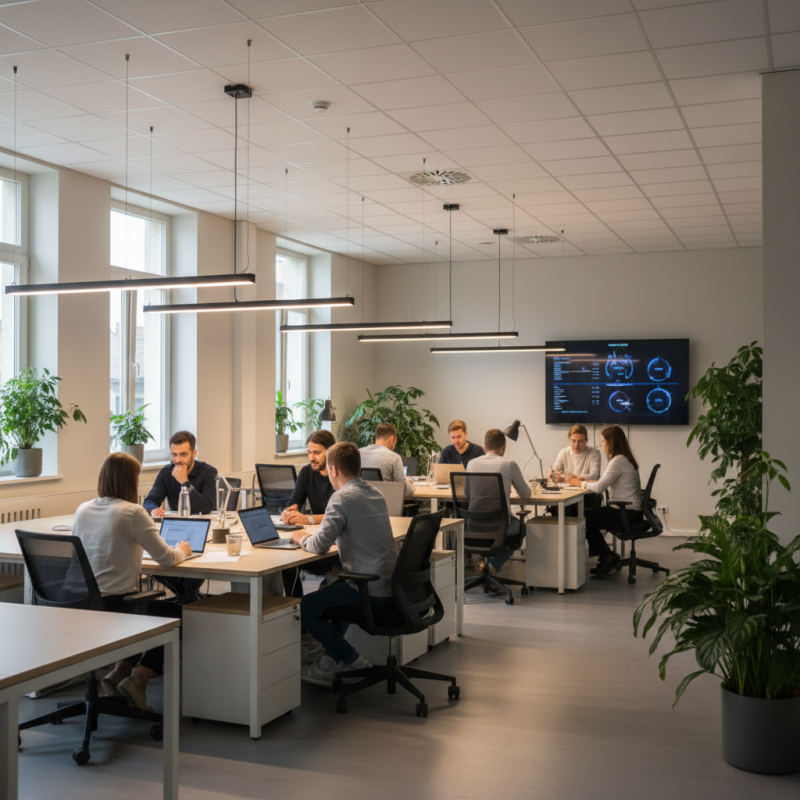
Best Office Lighting Solutions for Productivity and Comfort?

Factors Influencing Office Lighting and Employee Productivity

Office lighting significantly impacts employee productivity and comfort. The right lighting can reduce eye strain and boost morale. Poor lighting may lead to headaches and fatigue. It’s essential to consider not just the type of light used, but its placement and intensity. Natural light has proven benefits, making employees feel more energetic and focused.

Tips for maximizing office lighting include using adjustable desk lamps. These allow employees to customize their illumination based on individual needs. Incorporating task lighting in workspaces can improve focus on specific tasks. Avoid harsh fluorescent lights that can create a sterile environment.

Another factor to consider is color temperature. Warmer tones can create a cozy atmosphere, while cooler tones may enhance alertness. It’s worth exploring different combinations to find what works best for your team. Regular feedback from employees on lighting preferences can guide future changes. Always prioritize comfort and functionality in your lighting design.

Comparative Analysis of Natural vs. Artificial Lighting in Workspaces

Natural lighting significantly impacts workspace productivity and comfort. Large windows and skylights can enhance mood and energy levels. Studies show that access to sunlight can reduce stress and increase focus. Employees who work in bright environments tend to report higher satisfaction.

Artificial lighting, while versatile, often lacks the warmth of natural light. Desk lamps and overhead lighting can cause eye strain if not properly adjusted. Workers may find themselves fatigued after long hours under harsh, cold lights. The key is to find a balance between the two.

Some workplaces may struggle to implement optimal lighting solutions. Many offices rely solely on artificial lights, which can feel monotonous. This can lead to a lack of motivation and decreased productivity. Businesses should evaluate their lighting to ensure it fosters a comfortable and energizing atmosphere.

Best Office Lighting Solutions for Productivity and Comfort

Recommended Color Temperatures for Optimal Work Environment

Lighting is critical for workplace productivity. The right color temperature can significantly impact comfort and focus. According to a study published by the American Society of Interior Designers, optimal productivity often aligns with a color temperature of 4000K to 5000K. This range mimics natural daylight, promoting alertness without causing eye strain.

In contrast, lower color temperatures, like 2700K to 3000K, can create a cozy atmosphere. However, this warmth may lead to drowsiness. Employees may find themselves distracted or less motivated in overly warm light settings. Conversely, very cool temperatures above 5000K can make a space feel sterile and uninviting.

Striking the right balance is challenging yet essential. Consider the unique needs of your workspace. Some areas may benefit from cooler light for detailed tasks, while others may require warmth for collaboration. Investigating employee feedback can provide valuable insights. Not all individuals respond similarly to lighting.

Creating a flexible environment that includes different lighting options may enhance overall satisfaction and efficiency. Understanding the nuances is key.

The Impact of Task Lighting on Focus and Comfort at Work

Task lighting plays a crucial role in enhancing focus and comfort in the workplace. Proper illumination directly influences our ability to perform tasks efficiently. A well-lit space minimizes eye strain and fatigue, allowing employees to work effectively. Bright, focused light directs attention to specific areas, fostering a productive environment.

Many employees underestimate the importance of task lighting. They often rely on overhead lighting, which can be inadequate. The contrast between bright task lights and dim ambient light can create a soothing atmosphere. Choosing the right color temperature also matters. Warmer tones can be calming, while cooler tones can energize staff during demanding tasks.

It’s essential to evaluate individual needs within team dynamics. Not everyone thrives under the same lighting conditions. Some may require brighter light to concentrate, while others prefer softer settings. Periodic assessments can help identify what works best for the collective productivity and comfort. Implementing adjustable lighting solutions can accommodate these diverse preferences, leading to a more harmonious work environment.

Latest Trends in Energy-Efficient Office Lighting Solutions

Recent studies emphasize the critical role of energy-efficient lighting in enhancing office productivity. According to the U.S. Department of Energy, optimizing office lighting can reduce energy costs by up to 50%. Incorporating LED technology and smart lighting systems allows for significant reductions in energy consumption. Moreover, well-designed lighting can improve employee satisfaction and focus. A report from the University of Southern California highlights that natural light can boost mood and productivity by approximately 20%.

Another emerging trend is the integration of circadian lighting, which mimics natural light patterns. This approach not only conserves energy but also aligns body rhythms with workplace lighting. Research from the Lighting Research Center indicates that circadian-based lighting solutions can improve sleep quality and overall well-being. Yet, there is still room for improvement in many workplaces. Not all environments leverage these advancements effectively.

Employers must consistently evaluate their lighting setups. Many offices still use outdated fluorescent lights, which can create dull and uninspiring spaces. Continuous assessments can lead to better choices. Each office is unique; designing flexible lighting solutions is crucial. Employees should feel comfortable expressing their lighting preferences to create a more conducive work environment.

Best Office Lighting Solutions for Productivity and Comfort - Latest Trends in Energy-Efficient Office Lighting Solutions

Lighting Type Description Energy Efficiency (Watts) Lumens Output Color Temperature (K) Pros Cons
LED Energy-efficient lighting with long lifespan. 10-20 800-1600 2700-6500 Long-lasting, low heat emission. Higher upfront cost.
Fluorescent Common in commercial settings; moderate energy use. 15-40 1000-3000 3500-6500 Cost-effective, good for large areas. Contains mercury, can flicker.
Incandescent Traditional bulbs with a warm glow. 40-100 800-1600 2700 Natural color rendering, warm ambiance. High energy consumption, short lifespan.
Smart Lighting Connects to Wi-Fi for automated control. 10-30 800-1600 3000-6000 Adjustable settings, remote control. Dependent on Wi-Fi, higher initial cost.
Track Lighting Flexible lighting for highlighting specific areas. 15-40 200-800 3000-7000 Highly customizable, modern look. Installation complexity, can be costly.

FAQS

: How does office lighting affect employee productivity?

: Office lighting significantly impacts productivity by reducing eye strain and increasing morale. Poor lighting can lead to fatigue.

What are the benefits of natural light in the workplace?

Natural light enhances mood, boosts energy levels, and helps reduce stress. Employees often feel more focused in bright spaces.

Why is task lighting important?

Task lighting minimizes eye strain and boosts efficiency. It helps direct attention to specific work areas, fostering productivity.

What types of lighting should be avoided?

Harsh fluorescent lights can create an unwelcoming environment. They often lead to discomfort and a sterile atmosphere.

How can I customize my workspace lighting?

Using adjustable desk lamps allows employees to choose their preferred illumination. This enhances comfort and aids concentration.

What role does color temperature play in lighting?

Warmer tones create a cozy environment, while cooler tones enhance alertness. Different teams might prefer varying color temperatures.

How can I gather feedback on lighting preferences?

Regularly ask employees for their thoughts on office lighting. This can help guide future adjustments and improve overall comfort.

What challenges might workplaces face with lighting?

Some offices may rely too heavily on artificial lighting, which can feel monotonous and lead to decreased motivation.

Should all employees have the same lighting setup?

Not everyone responds the same to lighting. Periodic assessments can help cater to diverse needs for a better work atmosphere.

What can businesses do to improve lighting conditions?

Evaluate existing lighting schemes and consider incorporating more natural light sources to create a vibrant and motivating environment.

Conclusion

Effective office lighting solutions play a crucial role in enhancing employee productivity and comfort. Key factors influencing office lighting include the balance between natural and artificial light, with each type offering distinct advantages for workspace ambiance. Natural light is linked to improved mood and energy levels, while artificial lighting can be tailored to specific tasks and preferences.

The optimal color temperature for office environments typically ranges between 4000K and 5000K, promoting alertness and focus. Task lighting is essential for specific activities, providing additional brightness without causing glare or discomfort. Finally, staying updated with the latest trends in energy-efficient office lighting solutions can not only reduce energy consumption but also create a more sustainable and productive work environment.

Aria

Aria

Aria is a dedicated marketing professional with a deep passion for innovative strategies and a keen understanding of our company's product offerings. With a wealth of experience in the industry, Aria excels at crafting engaging content that highlights the unique features and benefits of our......