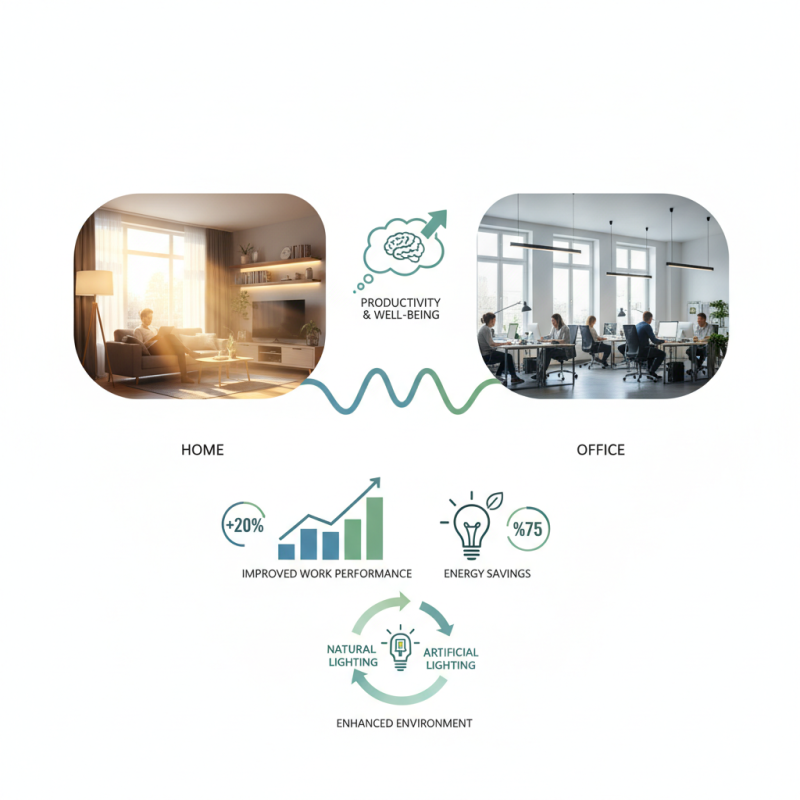
Indoor Space Lighting is a critical factor in enhancing productivity and well-being in both homes and offices. According to the American Society of Interior Designers, proper lighting can improve work performance by up to 20%. The right illumination fosters creativity and reduces fatigue. Yet, many spaces lack thoughtful design in lighting, leaving potential benefits untapped.
Choosing between natural and artificial sources can be daunting. Studies indicate that over 70% of individuals feel happier in well-lit environments. However, many people still rely on outdated solutions, creating an imbalance. Research by the Lighting Research Center highlights that energy-efficient bulbs can cut costs by 75% while providing adequate brightness. The integration of LED technology showcases how innovation can transform our indoor spaces.
Despite these advantages, not everyone can access optimal solutions. Many homes and offices still struggle with inadequate lighting and poor design. Identifying reliable sources and innovative options becomes essential for improvement. As we navigate the complexities of Indoor Space Lighting, it’s vital to prioritize strategies that enrich our environments and elevate our quality of life.
Best Indoor Space Lighting Solutions for Your Home and Office
When it comes to enhancing your indoor spaces, proper lighting is essential. Light plays a vital role in mood, productivity, and comfort. Choosing the right fixtures can transform an ordinary room into a welcoming oasis. Various options are available, from recessed lights to floor lamps. Each type adds its unique charm.
Consider layering your lighting. A combination of ambient, task, and accent lights can create depth. For instance, soft overhead lights paired with a desk lamp provide balance. Don’t forget about color temperature. Warmer hues promote relaxation, while cooler tones can boost focus. Finding the right balance can sometimes be tricky. Experimentation is key. You might need to adjust the brightness or change bulb types several times.
Installation can pose challenges, especially in homes without existing wiring. Not everyone has the skills for complex electrical work. Hiring professionals may seem costly but can ensure safety and quality. On the other hand, some lighting solutions are DIY-friendly. Battery-operated lights or plug-in options can be simple fixes. Assess your needs carefully before jumping into any projects. This process can be daunting, but it is worthwhile for a beautifully lit environment.
Understanding the Importance of Indoor Lighting for Productivity and Mood
Indoor lighting plays a crucial role in our daily lives. It affects our productivity and mood more than most realize. Studies show that 70% of employees express dissatisfaction with their workplace lighting. Poor lighting can lead to fatigue and decreased focus, negatively impacting overall efficiency.
On the flip side, well-designed lighting can enhance creativity and motivation. A Brightline report indicates that proper indoor lighting can increase productivity by 20-30%. Natural light is a significant contributor to workplace well-being. Workspaces that maximize natural light often see improved employee satisfaction and morale. Adjustable lighting solutions can benefit various tasks and moods throughout the day.
Many homes and offices fail to provide adequate light. Dimly lit rooms can hinder performance and lead to headaches. Adding layers of light through task, ambient, and accent options creates a balanced environment. Research suggests a mix of light sources can enhance aesthetics and functionality. Choosing the right lighting design is essential. It requires intention and careful consideration. Engaging with space thoughtfully can transform our experience.
Impact of Indoor Lighting on Productivity and Mood
Types of Indoor Lighting: Ambient, Task, and Accent Explained
Indoor lighting plays a crucial role in our daily lives. Understanding the types of lighting is essential for creating an effective and comfortable environment, whether at home or in an office.
The three main types of indoor lighting are ambient, task, and accent. Each serves a unique purpose and can significantly affect mood and productivity.
Ambient lighting provides general illumination. It is the foundation of a well-lit room.
Studies suggest that proper ambient lighting can improve mental well-being by 20%.
Task lighting, on the other hand, is designed for specific functions. For example, desk lamps help with work efficiency. Brightness levels should be 300-500 lumens in typical office settings. This targeted approach can heighten focus and reduce eye strain.
Accent lighting adds character and highlights specific areas or decor. It is ideal for drawing attention to artwork or architectural features.
According to recent industry reports, accent lighting can boost a room's aesthetic appeal by up to 40%.
However, achieving a good balance among these types is often overlooked. Improper lights can create confusion and discomfort. Evaluating how each lighting type works together is key to enhancing your space effectively.
Choosing the Right LED Lighting: Energy Efficiency and Lifespan Benefits
When choosing indoor lighting,
LED options stand out for their energy efficiency. This type of lighting uses less electricity than traditional bulbs.
They convert most of their energy into light, not heat. This efficiency can lead to substantial savings on energy bills over time.
LED lights also have a long lifespan. Many can last up to 25,000 hours or more.
This durability means fewer replacements, which is both convenient and cost-effective.
However, it’s essential to consider the initial costs of LED fixtures. Although they may present a higher upfront investment, the long-term benefits often outweigh these costs.
Pay attention to the brightness and color temperature of LEDs.
Different spaces require different levels of illumination. Warm lighting is cozy for living rooms, while bright, cool light is ideal for workspaces.
Not everyone prefers bright, harsh light, and this can affect productivity and mood.
Balancing these factors will create a comfortable and efficient environment.
Optimizing Indoor Lighting Colors and Brightness for Different Activities
Lighting plays a crucial role in both homes and offices. The right colors and brightness can enhance productivity and well-being. Research from the Lighting Research Center indicates that proper lighting can increase workplace productivity by up to 20%. Different activities require different lighting solutions. For tasks like reading or detailed work, bright, cool-toned lights are beneficial. Cooler temperatures, around 5000K to 6500K, help maintain alertness.
Conversely, warmer light, typically around 2700K to 3000K, is ideal for relaxation and social settings. This type of lighting creates a soothing atmosphere, promoting comfort in living spaces. According to a report by the International Association of Lighting Designers, around 65% of people prefer warm lighting for social interactions. This preference can significantly affect mood and engagement during gatherings.
However, achieving the right balance can be challenging. Overly bright spaces can cause eye strain. Insufficient light can lead to accidents or decreased focus. An effective solution is to layer different lighting types. Combining ambient, task, and accent lighting accommodates various needs throughout the day. Regular adjustments to lighting setups can enhance both productivity and comfort, promoting a healthy indoor environment.
Best Indoor Space Lighting Solutions for Your Home and Office
| Lighting Solution |
Ideal Activities |
Color Temperature (Kelvin) |
Brightness (Lumens) |
| LED Ceiling Lights |
General Illumination, Reading |
3000K - 4000K |
2000 - 3000 |
| Floor Lamps |
Ambient Lighting, Relaxation |
2700K - 3000K |
800 - 1500 |
| Table Lamps |
Work, Reading |
3000K - 5000K |
600 - 1200 |
| Recessed Lighting |
Task Lighting, Hallways |
3000K - 5000K |
900 - 1800 |
| Wall Sconces |
Accent Lighting, Mood Setting |
2700K - 3000K |
300 - 600 |
Smart Lighting Solutions: Enhancing Control and Customization in Your Space
Smart lighting solutions have transformed the way we interact with our indoor spaces. They offer a level of control and customization that traditional lighting cannot match. With smart bulbs, you can adjust brightness, color, and even schedule lighting with just a tap on your smartphone. This technology allows you to create the perfect ambiance for any occasion.
Incorporating smart lighting into your home or office isn’t always straightforward. It's crucial to understand the various features available. Some systems integrate with voice assistants, while others may require a steep learning curve. Users often find themselves overwhelmed by the choices. Simple installations can turn complex if the systems are not compatible with existing setups.
A personal touch can enhance the effectiveness of smart lighting. Experimenting with different lighting combinations can lead to unexpected yet delightful results. Use task lighting for focused work and ambient lighting for relaxation. However, over-customization can sometimes result in a chaotic atmosphere. It’s essential to find a balance that enhances comfort without distraction.
FAQS
: Proper lighting enhances mood, boosts productivity, and improves comfort in any room.
Consider recessed lights, floor lamps, and wall fixtures for a variety of effects.
Combine ambient, task, and accent lights for depth. Experimenting is important to find your perfect mix.
Warmer hues promote relaxation, while cooler tones enhance focus. Balance is essential for comfort.
Installation can be challenging, especially if wiring is absent. Hiring professionals may ensure safety.
Some options, like battery-operated or plug-in lights, are DIY-friendly and can be simple to set up.
LED lights use less electricity and convert energy into light, reducing energy bills over time.
Many LED lights can last up to 25,000 hours, meaning fewer replacements needed.
Initial costs can be higher, but long-term savings often make them worth the investment.
Different light levels can influence productivity. Finding your ideal brightness is crucial for a cozy environment.
Conclusion
Effective indoor space lighting is crucial for enhancing productivity and mood in both home and office environments. Understanding the importance of different types of indoor lighting—ambient, task, and accent—allows individuals to create a balanced atmosphere tailored to specific activities. By choosing energy-efficient LED solutions with long lifespans, users can reduce energy consumption while enjoying optimal lighting conditions.
Furthermore, optimizing indoor lighting colors and brightness based on the nature of tasks promotes better focus and creativity. The integration of smart lighting solutions offers enhanced control and customization, enabling seamless adjustments to lighting schemes for various settings. Overall, thoughtful indoor space lighting design can significantly improve comfort and functionality in any area.

 Cool Light