7 Lighting Fixture Mounting Methods Buyers Should Know?

Time:2026-09-22 Author:Liam
0%

Choosing the right mounting system can determine whether a lighting project feels secure, balanced, and professionally finished. Lighting Fixture Mounting Methods influence installation time, ceiling compatibility, maintenance access, and long-term safety. A pendant above a dining table needs a different approach from a recessed fixture in a suspended ceiling. Wall sconces, track lights, surface panels, and heavy chandeliers also create different mounting demands.

Randall Whitehead, a respected lighting designer and author, said, “Good lighting is not about how much light you have, but how well you use it.” His observation applies to mounting as well. A fixture may produce excellent illumination, yet still fail when its bracket is poorly aligned, its junction box is overloaded, or its cable leaves visible strain. Small details matter.

This guide examines seven practical Lighting Fixture Mounting Methods buyers should know before selecting products. It considers common hardware, installation surfaces, load capacity, adjustment options, and future servicing. Some methods appear simple but require careful structural support. Others offer flexibility but may increase installation costs. Not every method suits every room.

That is the part buyers often underestimate.

Real projects are rarely perfect. Ceiling conditions can differ from drawings, and supplied hardware may not fit as expected. Therefore, product specifications should be checked against the actual mounting surface. Buyers should also confirm compatibility with qualified installers and local safety requirements. The best choice is not always the cheapest or fastest one. It is the method that keeps the fixture stable, accessible, visually appropriate, and dependable over time.
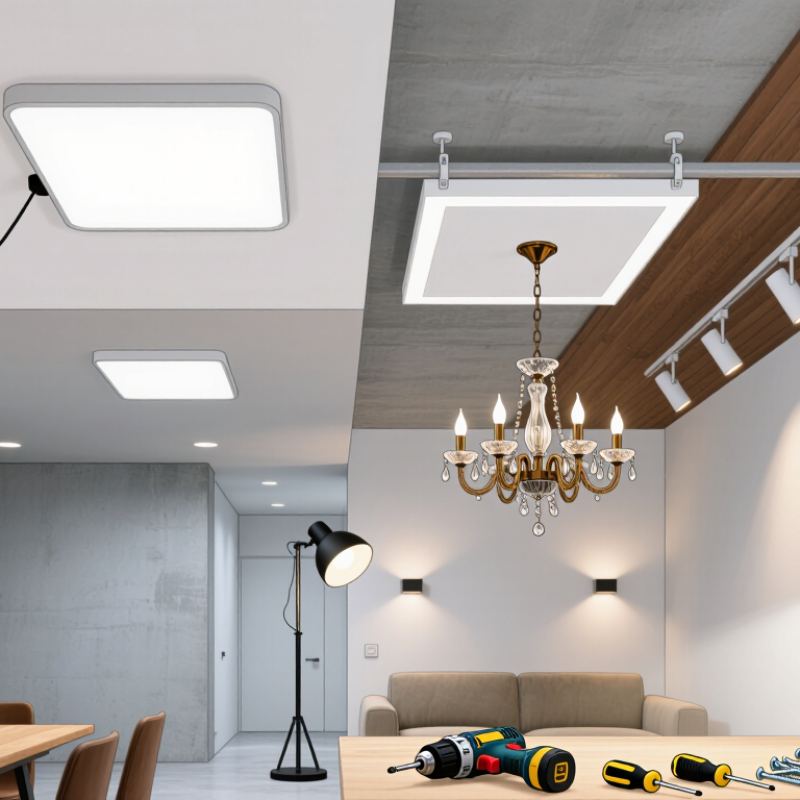
7 Lighting Fixture Mounting Methods Buyers Should Know?

Lighting Fixture Mounting: Purpose, Components, and Safety Basics

Lighting fixture mounting is more than choosing a decorative position. It transfers weight, heat, vibration, and electrical stress into a ceiling or wall. Common methods include flush mounting, surface mounting, recessed mounting, pendant rods, suspension cables, track systems, and wall brackets. Each method needs a compatible junction box, fastener, canopy, strain relief, and grounding path.

The U.S. Department of Energy reports that LED lighting uses at least 75% less energy than incandescent lighting and can last up to 25 times longer. That efficiency still depends on correct installation. A poorly supported fixture may loosen, tilt, or pull against wiring. NFPA 70, the 2023 National Electrical Code, requires outlet boxes and supports suitable for luminaires. It also addresses box capacity and mechanical support. Always check the fixture’s listed weight, mounting hardware, ceiling material, and environmental rating. A clean ceiling is not proof of a safe installation.

Tips: Match the anchor to the substrate. Use a rated box for suspended fixtures. Keep cable exits free from sharp edges. Test stability before closing the canopy. For high ceilings, plan access for future maintenance. I often find that installers overtrust included screws. That is a small but important weakness. Local inspection rules may also differ, so qualified electrical review remains sensible. Industry data from the International Energy Agency places lighting near 15% of global electricity use, making safe, durable mounting a practical efficiency issue.

Ceiling-Mounted Fixtures: Boxes, Brackets, and Surface Plates

Ceiling-mounted fixtures depend on more than a decorative canopy. The electrical box must be rated for the fixture’s weight and connection method. It should also be secured to a joist, blocking, or an approved support system. A loose box may allow movement, damaged wires, or an uneven ceiling plate.

A mounting bracket connects the fixture to the box. Check that its screw holes match the box and that the screws engage fully. Heavy fixtures need stronger support than lightweight pendant lights. Do not rely on drywall anchors alone. They can fail under repeated vibration or changing loads. The grounding connection also deserves careful attention. Small mistakes matter.

Surface plates can hide the box and create a clean finish. Measure the canopy before tightening anything. A plate that is too small may expose gaps around the box. One that is too large can press against uneven plaster. Installers sometimes focus on appearance and overlook cable space behind the plate. That creates unnecessary strain. Leave wires neatly folded, not sharply bent. Before installation, inspect the ceiling material, fastener condition, and manufacturer instructions. Local electrical requirements may differ, so a qualified electrician should verify uncertain connections. This step can feel excessive, but it prevents costly rework.

7 Lighting Fixture Mounting Methods Buyers Should Know

Ceiling-mounted fixtures commonly use junction boxes, crossbars, brackets, surface plates, recessed housings, track anchors, or structural blocking. The chart shows typical planning weights for each method, not certified load ratings. Always confirm the fixture, electrical box, fasteners, and ceiling structure are rated for the actual installation.

Recessed, Track, and Pendant Mounting Systems Explained

7 Lighting Fixture Mounting Methods Buyers Should Know

Choosing a mounting method affects light distribution, ceiling appearance, installation cost, and future maintenance. Recessed fixtures sit inside the ceiling, creating a clean, low-profile effect. They suit hallways, kitchens, and offices with enough ceiling depth. However, insulation, ventilation space, and junction-box access must be checked before purchase. Flush mounts attach directly to the ceiling and work well where clearance is limited. Surface-mounted fixtures offer a similar position but usually provide easier access for replacement and inspection.

Track mounting uses a fixed rail with adjustable heads, allowing buyers to redirect light toward shelves, artwork, or work areas. It is flexible, but an overloaded track may look crowded and uneven. Pendant systems suspend fixtures from rods, cords, or tubes. They bring light closer to dining tables and counters. Measure carefully. A pendant that hangs too low can obstruct movement and create glare. Cable-mounted systems provide wider layout freedom, especially across sloped ceilings. Wall-mounted fixtures direct light sideways or upward, supporting task lighting and visual comfort.

The seventh option is a suspended linear system, often used over long desks or counters. Buyers should compare load ratings, ceiling structure, wire management, and replacement access. A qualified electrician should verify connections and follow local electrical requirements. In my installation experience, buyers often focus on appearance first. That is understandable, but heat clearance and mounting strength matter more over time. Even experienced planners miss small details, such as door swings or shadows from cabinet edges. A simple taped layout on the ceiling can reveal these problems before drilling begins.

7 Lighting Fixture Mounting Methods Buyers Should Know? - Recessed, Track, and Pendant Mounting Systems Explained

Mounting Method How It Is Installed Best-Suited Applications Ceiling or Wall Requirements Adjustability Installation Complexity Main Buyer Advantages Important Checks Before Purchase
Recessed Mounting The housing or fixture body is set into a prepared opening so that most of the light is concealed above the finished surface. General room lighting, kitchens, corridors, offices, retail areas, and locations where a clean, low-profile appearance is preferred. Requires sufficient ceiling cavity depth, an accurately sized cutout, compatible electrical wiring, and clearance from insulation or other materials according to the installation instructions. Usually low for fixed downlights; adjustable gimbal versions provide directional aiming. High Minimal visual projection, even ceiling lines, and good suitability for layered lighting plans. Confirm ceiling depth, cutout diameter, insulation-contact rating where relevant, heat management, dimmer compatibility, and access for future servicing.
Track Mounting One or more light heads attach to an electrified track that is fixed to the ceiling or suspended below it. Retail displays, galleries, kitchens, living spaces, and flexible accent-lighting layouts. Needs a suitable power feed and a secure mounting surface. The track must be anchored according to its length, weight, and ceiling construction. High; heads can often be repositioned or aimed along the track, subject to the system design. Medium Flexible beam positioning, easy layout changes, and the ability to illuminate multiple zones from one power connection. Check track length, connector type, circuit capacity, head compatibility, maximum supported load, mounting hardware, and the direction of adjustment.
Pendant Mounting A fixture hangs from a stem, rod, chain, or cord connected to a ceiling canopy and electrical outlet box. Dining tables, kitchen islands, reception areas, bedrooms, hospitality spaces, and decorative focal points. Requires a properly supported ceiling outlet box or an approved structural mounting point. Heavy fixtures may need additional support beyond the electrical box. Medium to high; hanging height may be adjustable on some designs, while lateral position is generally fixed. Medium Provides focused task lighting, strong decorative impact, and useful vertical layering in a room. Verify fixture weight, canopy dimensions, suspension length, minimum clearance above surfaces, cord or stem adjustability, and box support capacity.
Surface-Mounting The fixture sits directly against the ceiling or wall surface and is secured to a mounting plate or electrical box. Low ceilings, utility rooms, hallways, bedrooms, offices, and areas where recessed installation is not practical. Needs a flat, structurally suitable surface and compatible electrical box or mounting hardware. It does not require a recessed ceiling cavity. Usually low; the light direction is generally fixed unless the fixture has adjustable heads. Low Works well in shallow ceiling spaces, is comparatively straightforward to install, and usually provides easier access for maintenance. Check fixture height, mounting plate dimensions, box compatibility, heat dissipation, driver or lamp access, and whether the surface is level.
Wall-Sconce Mounting The fixture is fixed to a wall mounting plate or junction box, with the light directed upward, downward, outward, or toward the wall. Bedrooms, corridors, bathrooms, stairways, exterior entrances, hospitality settings, and decorative wall illumination. Requires suitable wall structure, an electrical box or approved wiring route, and the correct rating for damp or wet locations where applicable. Low to medium; some sconces have movable arms, shades, or adjustable heads. Medium Saves ceiling space, adds visual depth, and can provide ambient, task, or accent lighting at eye level. Check wall-box position, projection from the wall, shade clearance, switch arrangement, local moisture rating requirements, and maintenance access.
Cable or Wire-Suspension Mounting The fixture is suspended from adjustable cables or wires connected to ceiling anchors and usually paired with a separate power feed. High ceilings, offices, open-plan interiors, retail spaces, linear fixtures, and locations requiring a floating appearance. Needs structurally sound anchor points and carefully planned power and suspension locations. The ceiling structure must support the complete fixture assembly. High for vertical height; some systems also allow limited horizontal alignment during installation. High Suitable for tall spaces, allows precise fixture height, and can create an even lighting plane below the ceiling. Confirm cable length, anchor capacity, fixture weight, leveling method, power-cord routing, ceiling structure, and required safety attachments.
Magnetic or Modular Rail Mounting Compact fixtures attach to a powered magnetic rail or modular lighting channel installed on a ceiling, wall, or suspended structure. Contemporary residential interiors, display areas, hospitality projects, and layouts that require frequent fixture repositioning. Requires a compatible rail, power supply or driver, secure mounting surface, and an installation method approved for the specific system. High; compatible modules can usually be moved, added, removed, or aimed along the rail. High Offers a clean appearance, modular configuration, and convenient repositioning without relocating every fixture connection. Check rail voltage, driver location, total system wattage, module compatibility, rail length, mounting method, and safety retention features.
Buyer note: Actual load limits, clearances, wiring requirements, moisture ratings, and installation procedures vary by fixture and mounting system. Always verify the product’s technical documentation and applicable electrical codes before installation.

Wall-Mounted, Suspended, and Rail-Based Fixture Methods

7 Lighting Fixture Mounting Methods Buyers Should Know?

Wall-Mounted, Suspended, and Rail-Based Fixture Methods

Wall-mounted fixtures work well where ceiling access is limited. They attach directly to a wall box or reinforced surface. This method suits corridors, bedside areas, and narrow dining spaces. Buyers should check the wall material before choosing a fixture. Hollow walls may need extra support. The light can also create strong shadows if mounted too high.

Suspended fixtures hang from rods, cables, or stems. They bring light closer to tables, counters, and workstations. Measure the ceiling height and furniture position carefully. A low fixture can interrupt movement. A high fixture may look elegant but provide weak task lighting. Experienced installers also check the ceiling structure, junction box, and total fixture weight.

Do not trust appearance alone.

Rail-based systems offer adjustable placement along a fixed track. They are useful in kitchens, retail displays, galleries, and flexible work areas. Heads can be aimed toward shelves, artwork, or changing furniture. However, rail systems need accurate alignment and enough electrical capacity. Too many heads may overload the circuit or produce uneven brightness. I once assumed a rail would solve every layout problem. It did not. A poorly positioned track still creates glare. Buyers should review beam angle, dimming compatibility, surface clearance, and maintenance access. Small details matter.

How to Select the Right Mounting Method for Each Application

7 Lighting Fixture Mounting Methods Buyers Should Know

How to Select the Right Mounting Method for Each Application

Choosing a lighting fixture mounting method starts with the ceiling, wall, and intended use. The right option should support safe installation, easy maintenance, and stable performance. In project inspections, I have seen attractive fixtures fail because the mounting surface was ignored. Surface mounting suits solid ceilings and low-clearance rooms. Recessed mounting creates a clean appearance but needs enough ceiling depth. Pendant mounting works well above tables, counters, and reception areas. Track mounting offers adjustable positions for retail displays or changing layouts.

Wall mounting is useful for corridors, bedside areas, and exterior entrances. Suspended cable mounting fits high ceilings and large open spaces. Pole or post mounting serves pathways, gardens, and parking areas.

Each method handles weight differently. Check the fixture weight, fixing hardware, and ceiling load before ordering. Confirm the junction box position too. It may not align.

Moisture, vibration, dust, and access also affect the decision. Damp locations require suitable protective ratings and corrosion-resistant hardware. Maintenance teams often prefer accessible surface or pendant fixtures. Recessed units can take longer to service. Local electrical requirements and installation instructions should guide the final choice. A qualified installer can verify grounding, load capacity, and cable support. One practical detail is often missed: cable length. An elegant suspended fixture may hang too low after installation. Measure twice. Adjusting later can be expensive.

FAQS

What should support a ceiling-mounted fixture?

Use an electrical box rated for the fixture’s weight and connection method. Secure it to a joist, blocking, or approved support. Drywall anchors alone are unreliable. A loose box can damage wires.

Why is the mounting bracket important?

The bracket connects the fixture to the electrical box. Its screw holes must match the box. Screws should engage fully. Heavy fixtures need stronger brackets than small pendant lights.

How should a surface plate or canopy be measured?

Measure the plate before tightening it. A small plate may expose gaps around the box. A large plate may press against uneven plaster. Check the cable space behind it, too.

What is the safest way to arrange wires behind a ceiling plate?

Fold wires neatly without sharp bends. Avoid squeezing them behind the plate. Tight spaces can create unnecessary strain. Small mistakes matter.

When is wall mounting a practical choice?

Wall mounting suits corridors, bedside areas, and narrow dining spaces. It helps when ceiling access is limited. Hollow walls may need reinforcement. Mounting height also affects shadows.

What should buyers check before choosing a suspended fixture?

Measure the ceiling height and furniture position. Check the ceiling structure, junction box, and total fixture weight. A low fixture may interrupt movement. A high fixture may provide weak task lighting.

What are the advantages and limits of rail-based mounting?

Rail systems allow adjustable light positions. They suit kitchens, displays, galleries, and flexible work areas. Too many heads may overload the circuit. Poor alignment can still create glare. I once expected one rail to solve everything. It did not.

How should the mounting method match the room?

Choose based on the surface, clearance, intended use, and maintenance access. Surface mounting suits solid ceilings and low-clearance rooms. Recessed mounting needs enough ceiling depth. Pendant mounting works above tables and counters.

What environmental conditions can change the mounting decision?

Moisture, vibration, dust, and corrosion can affect hardware and performance. Damp locations need suitable protective ratings. High-vibration areas need stronger fixing methods. Outdoor mounting also requires suitable support and protection.

What should be verified before final installation?

Confirm the fixture weight, fixing hardware, cable length, junction box position, and electrical capacity. Check beam angle and dimming compatibility where relevant. Local requirements may differ. A qualified electrician should verify uncertain connections. Measure twice. Rework is expensive.

Conclusion

Lighting Fixture Mounting Methods are essential for ensuring that lighting systems are secure, properly aligned, accessible for maintenance, and suitable for their intended environment. This overview explains the purpose of mounting hardware, including electrical boxes, brackets, surface plates, anchors, and support components, while highlighting basic safety considerations such as load capacity, stable attachment, correct wiring, and compatibility with the ceiling or wall structure.

It also compares common solutions, including ceiling-mounted fixtures, recessed lights, track systems, pendant fixtures, wall-mounted units, suspended installations, and rail-based mounting methods. Each system offers different benefits in terms of appearance, flexibility, installation depth, weight distribution, and adjustability. By evaluating the fixture’s size, weight, location, ceiling or wall material, maintenance needs, and desired lighting direction, buyers can select a mounting method that provides dependable support, practical installation, and effective performance for residential, commercial, or specialized applications.

Liam

Liam

Liam is a dedicated marketing professional with a profound expertise in the industry, where he excels at highlighting the unique advantages of our core products. With a keen understanding of market trends and consumer needs, Liam frequently updates our company’s professional blog, providing......